- 日本の農業に興味がある
- 日本の家庭菜園に憧れている
- 福岡正信さんの本を読んだ。真似してみたい
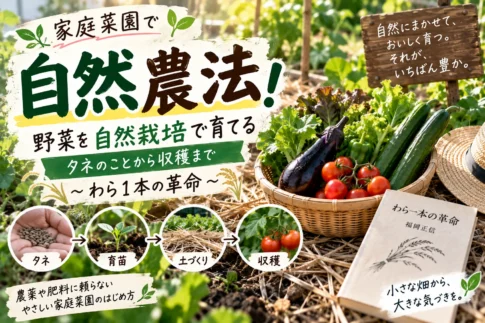
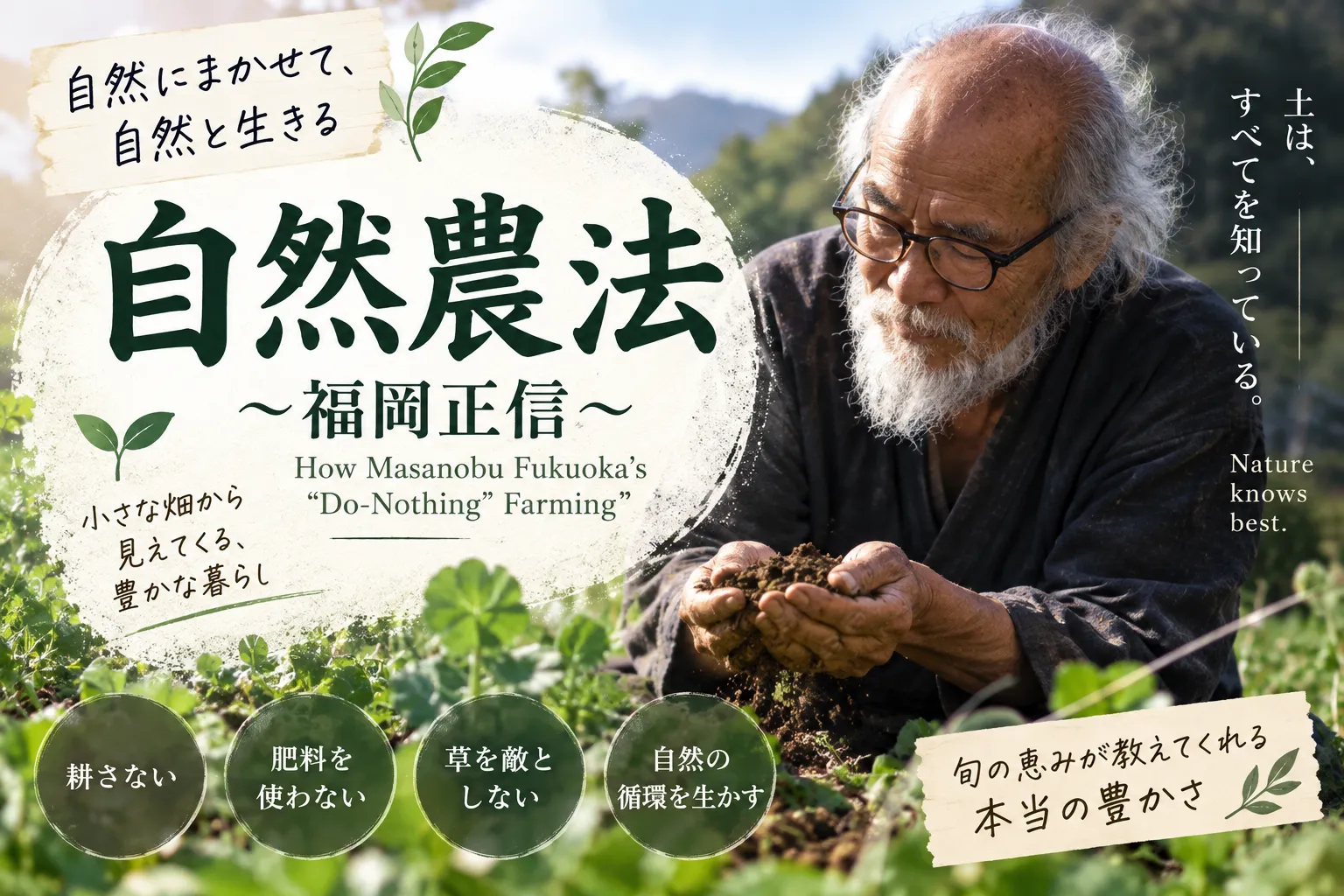
福岡正信さんが提唱した「自然農法」。
その考え方は、単に農薬や肥料を使わない農業というだけではありません。
人間が自然をコントロールするのではなく、自然の摂理を尊重しながら、できるだけ自然の力を活かしていく。
そんな自然との関わり方が、自然農法の大きな特徴です。
日本には四季があります。
春には春の野菜が育ち、夏には夏の野菜が実ります。
家庭菜園で野菜を育て、旬のものをいただく。
そんな暮らしの中にも、自然と調和して生きるヒントがあるのではないでしょうか。
今回は、福岡正信さんの自然農法を入り口に、「何もしない」という言葉の本当の意味や、日本人が大切にしてきた「もったいない」「循環」「旬」という感覚について考えてみます。
家庭菜園に癒されながら、無理をしない暮らしを楽しんでいます。
仕事は幼稚園教諭です。
詳しいプロフィールは
こちら
からどうぞ。

福岡正信さんの「自然農法」とは?
福岡正信さんの自然農法を表す言葉として、「何もしない農法」という表現があります。
英語では「Do-Nothing Farming」と紹介されることもあります。
ただ、「何もしない」と聞くと、畑を放置して何も手をかけないイメージを持ってしまいますよね。
実際には、そう単純な話ではありません。
自然農法で大切なのは、人間が必要以上に自然へ介入しないことです。
植物や土の状態をよく観察し、自然の働きを理解したうえで、本当に必要なことだけを行う。
つまり、「何もしない」というよりも、「余計なことをしない」と考えたほうが近いのかもしれません。
福岡正信自然農園
福岡正信さんが実際に自然農法を実践した場所はこちらです。 福岡正信自然農園

「何もしない」は「放置」ではない
自然農法について考えるとき、ここはとても重要なポイントです。
自然農法は、畑を完全に放置することではありません。
むしろ、自然をよく観察する必要があります。
土は今どんな状態なのか。
植物は元気に育っているのか。
水分は足りているのか。
季節によって、どんな変化が起きているのか。
こうした変化を見ながら、必要以上に人間の都合を押しつけない。
自然を支配するのではなく、自然の働きを活かしていくわけです。
これは、効率を重視して「もっと早く」「もっと大きく」と考えがちな現代の農業や暮らしとは、少し違った考え方ですよね。
「何かをする」ことだけが、努力ではありません。
ときには、じっくり観察して、あえて手を出さないことも必要です。
日本人が大切にしてきた自然との距離感
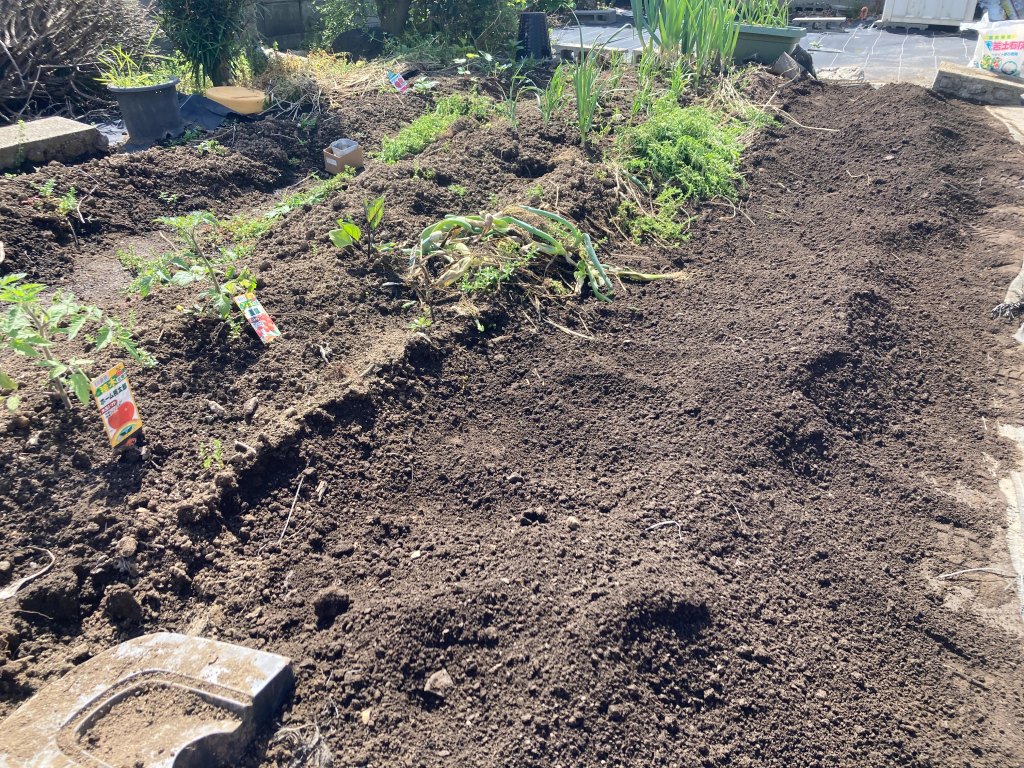
日本では昔から、自然を完全に人間の思い通りにするのではなく、自然と共存する感覚が大切にされてきました。
もちろん、人間は農業によって自然に手を加えてきました。
田畑をつくり、作物を育て、水を引き、収穫する。
それでも、自然そのものを完全にコントロールすることはできません。
雨が降ります。
風が吹きます。
季節が変わります。
植物はそれぞれのタイミングで成長します。
だからこそ、自然を観察し、その変化に合わせて暮らしていく。
自然農法には、そんな日本的な自然との関わり方を感じる部分があります。
「もったいない」と自然農法
自然農法を考えるうえで、もう一つ興味深いのが「もったいない」という感覚です。
現代の農業では、必要なものをその都度購入することがあります。
肥料を買う。
資材を買う。
土を買う。
便利な道具を買う。
もちろん、それ自体が悪いわけではありません。
ただ、自然農法には「身近にあるものを無駄にせず、できるだけ活かす」という発想があります。
稲わら。
落ち葉。
米ぬか。
こうしたものも、単なるゴミではありません。
土に戻れば、次の植物を育てる力になります。
そして、植物が育ち、また新しい生命が生まれていきます。
そこには「循環」があります。
自然農法にもおすすめしたい「サカタのタネ」です。

「捨てる」のではなく「土に戻す」
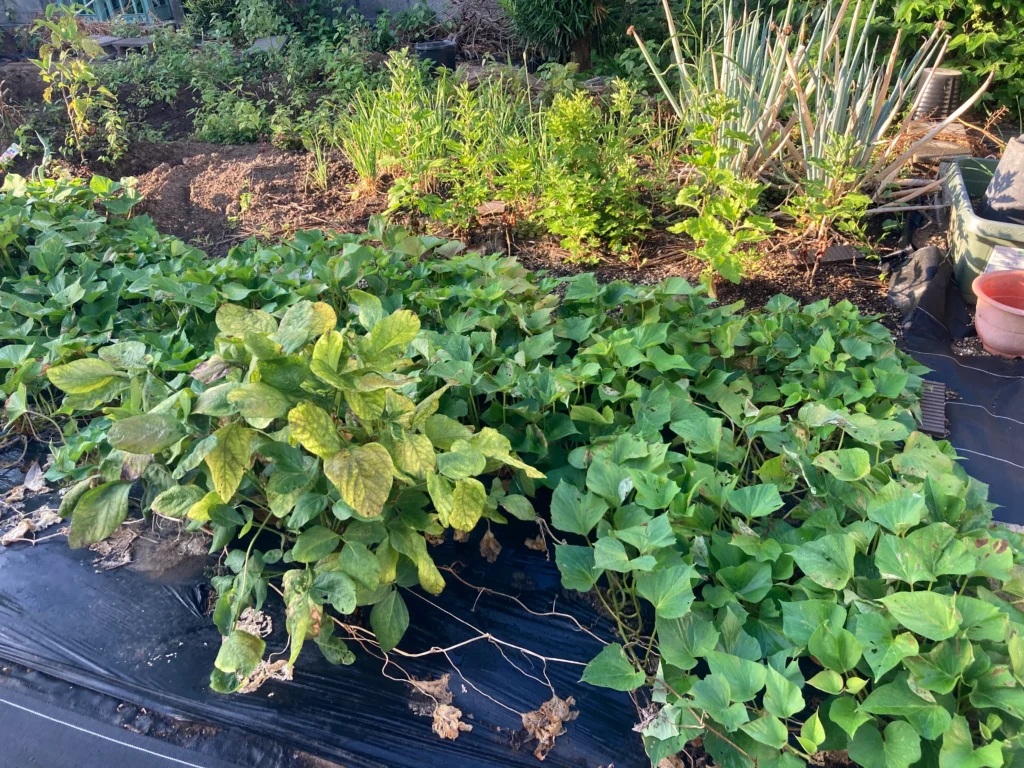
家庭菜園でも、この循環を感じることができます。
野菜を育てます。
収穫して食べます。
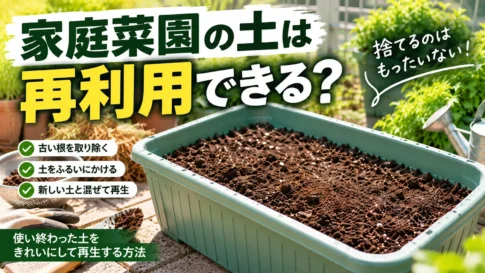
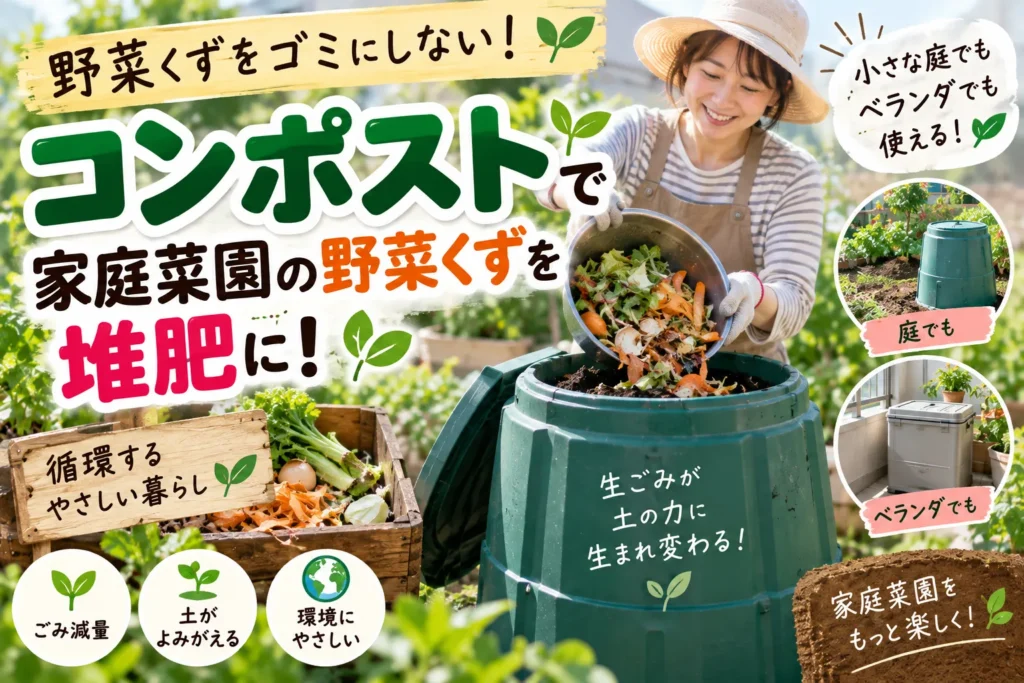
食べられない部分は、コンポストなどを利用して土に戻すことができます。
そして、その土でまた野菜を育てる。
一度役割を終えたものが、別の形になって次の生命を支える。
こう考えると、「ゴミ」というものの見え方も少し変わってきますよね。
「もったいない」という言葉は、単に節約するという意味ではありません。
まだ役割を持っているものを、簡単に捨ててしまわない。
そこにある価値を、最後まで活かす。
そんな感覚も含まれているのではないでしょうか。
「旬」を大切にするということ
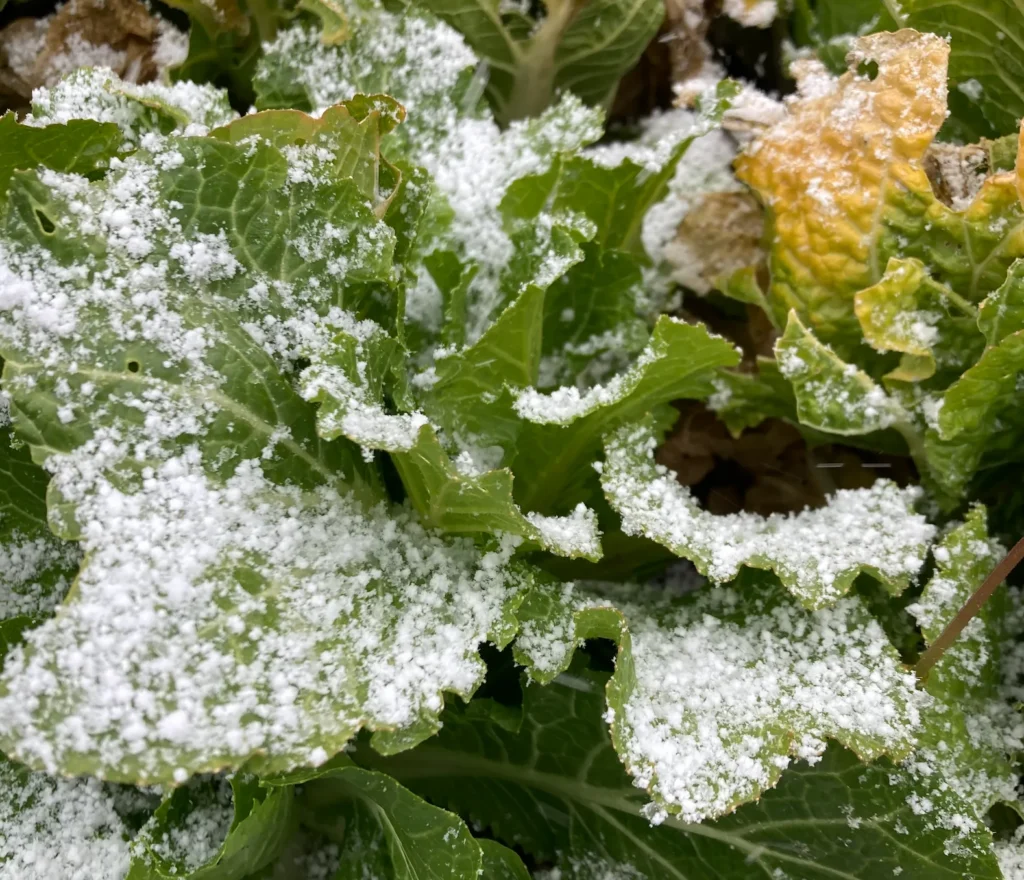
自然農法を考えるとき、「旬」という日本独自の感覚も外せません。
今では、スーパーに行けば一年中さまざまな野菜が並んでいます。
季節を問わず、トマトもキュウリも手に入ります。
これはとても便利なことです。
一方で、昔の暮らしでは、野菜は季節によって大きく変わりました。
春には春の野菜。
夏には夏の野菜。
秋には秋の野菜。
冬には冬の野菜。
その時期に最もおいしくなるものをいただく。
それが「旬」です。
旬の野菜を食べると、季節が見えてくる
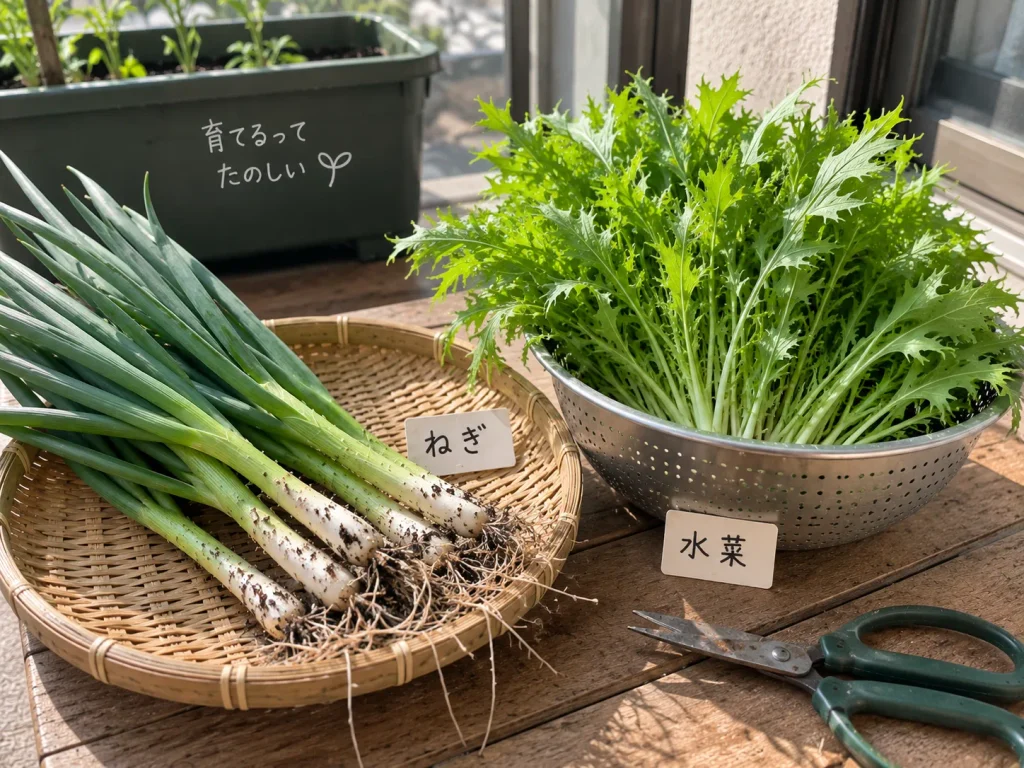
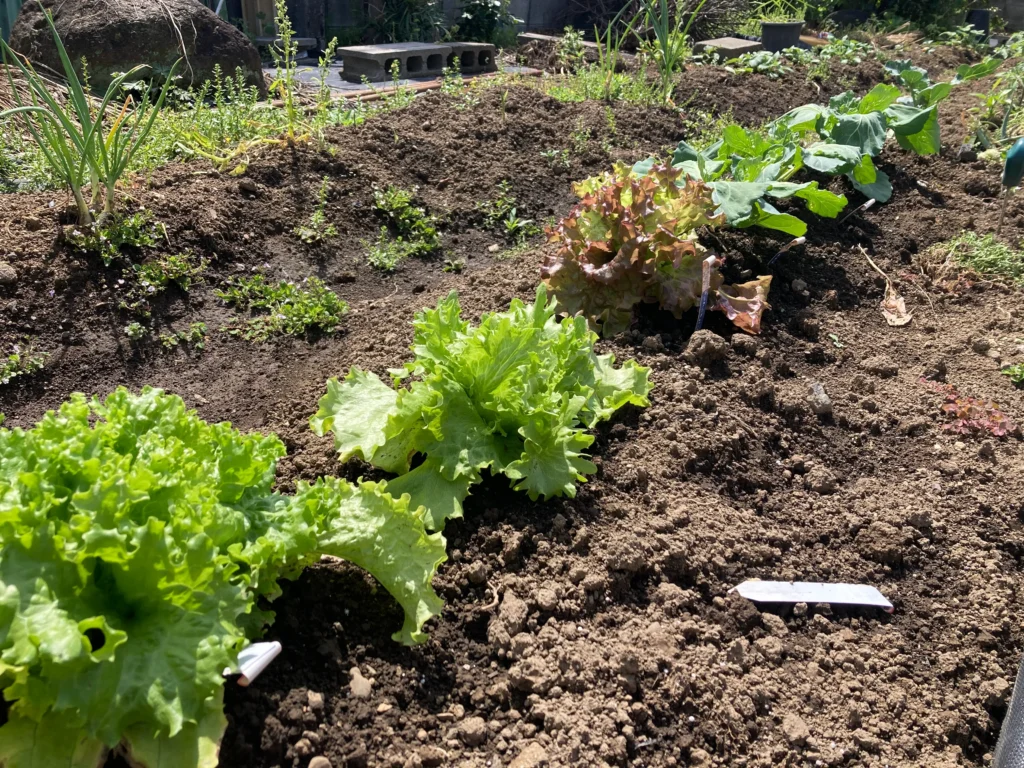
家庭菜園を始めると、「旬」というものを実感しやすくなります。
春になると芽が出てきます。
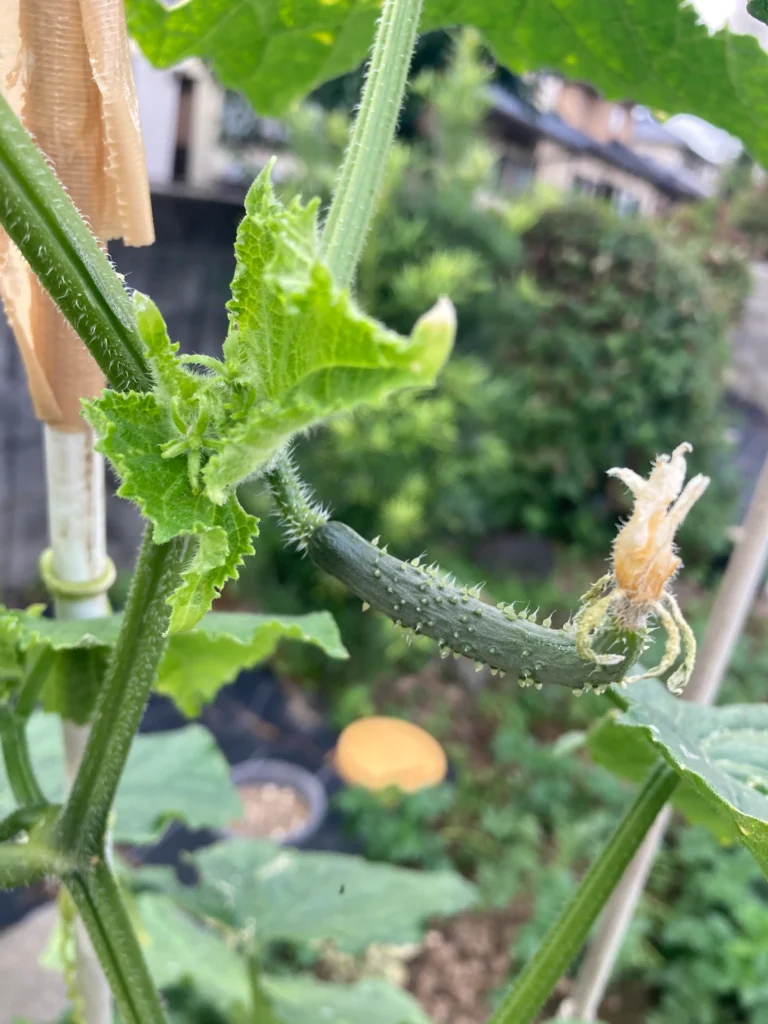
夏になるとトマトやキュウリが勢いよく育ちます。
秋には収穫の季節を迎えます。
冬には冬にしか育てられない野菜があります。
スーパーで野菜を買っているだけでは気づきにくい季節の変化も、自分で育ててみるとよく分かります。
「そろそろ種をまく時期だな。」
「今年も夏野菜が採れ始めたな。」
そんな小さな変化を感じられるのも、家庭菜園の面白さでしょう。

旬の野菜は、いちばんおいしくて体にもやさしいです。
「待つ」ということ
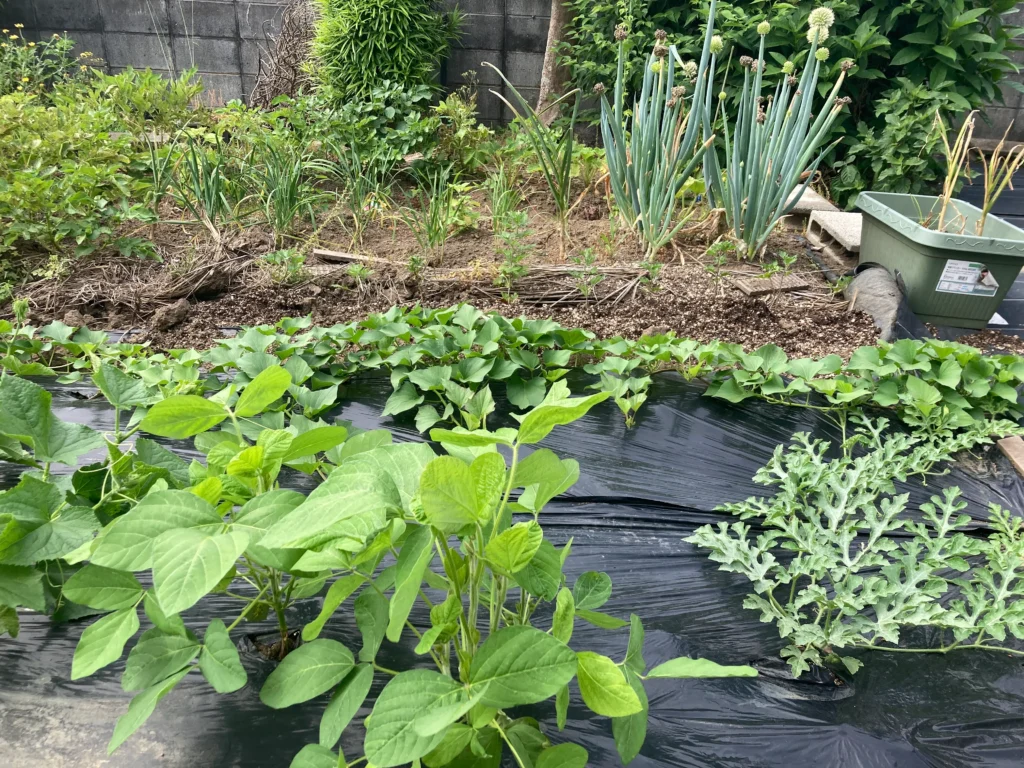
自然農法には、「待つ」という時間もあります。
人間の都合で成長を早めるのではなく、植物が育つ時間を待つ。
土が整う時間を待つ。
季節が変わるのを待つ。
現代社会では、何でも「早く結果を出す」ことが求められます。
すぐに成果が出る。
すぐに答えが分かる。
すぐに収穫できる。
そうしたスピードが当たり前になっています。
だからこそ、自然の時間に合わせて「待つ」という経験には、独特の価値があります。
春を待ち、花が咲くのを待ち、実がなるのを待つ。
そして、収穫の瞬間を迎える。
この時間そのものが、自然と暮らすということなのかもしれません。
家庭菜園で自然農法の考え方を取り入れてみる
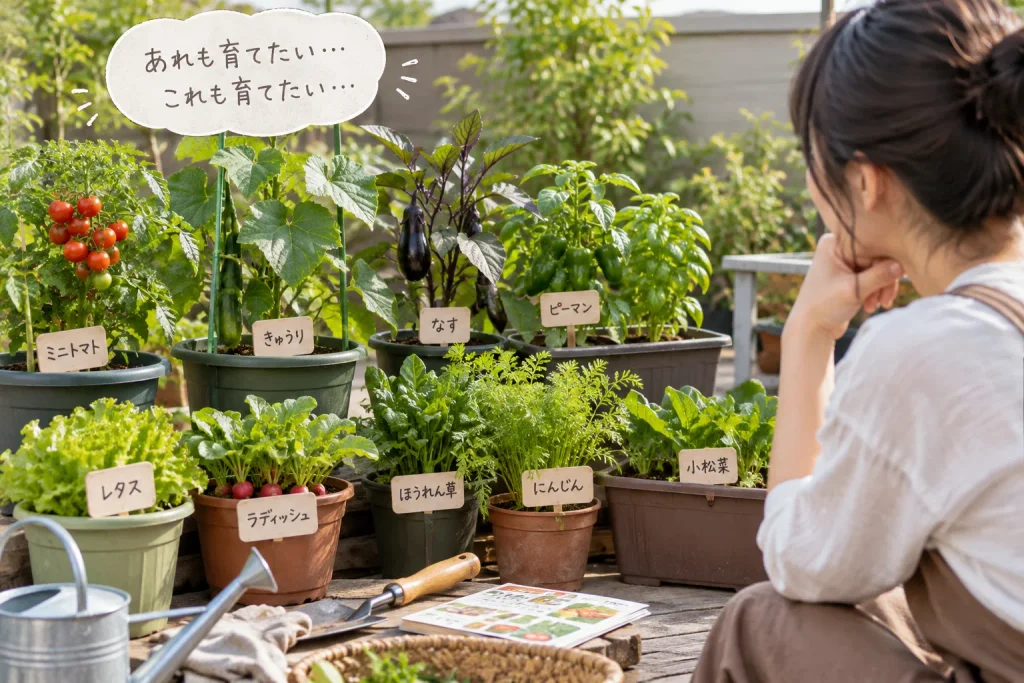
もちろん、家庭菜園ですべてを自然農法にする必要はありません。
まずは「自然をよく観察する」ことから始めてもよいでしょう。
水をあげる前に、土を触ってみる。
葉っぱの状態を確認する。
虫がいたら、すぐに薬剤を使うのではなく、まず何の虫なのか観察する。
落ち葉や野菜くずを、すぐにゴミとして捨てるのではなく、土に戻せないか考えてみる。
こうした小さな行動でも、自然との距離感は変わってきます。
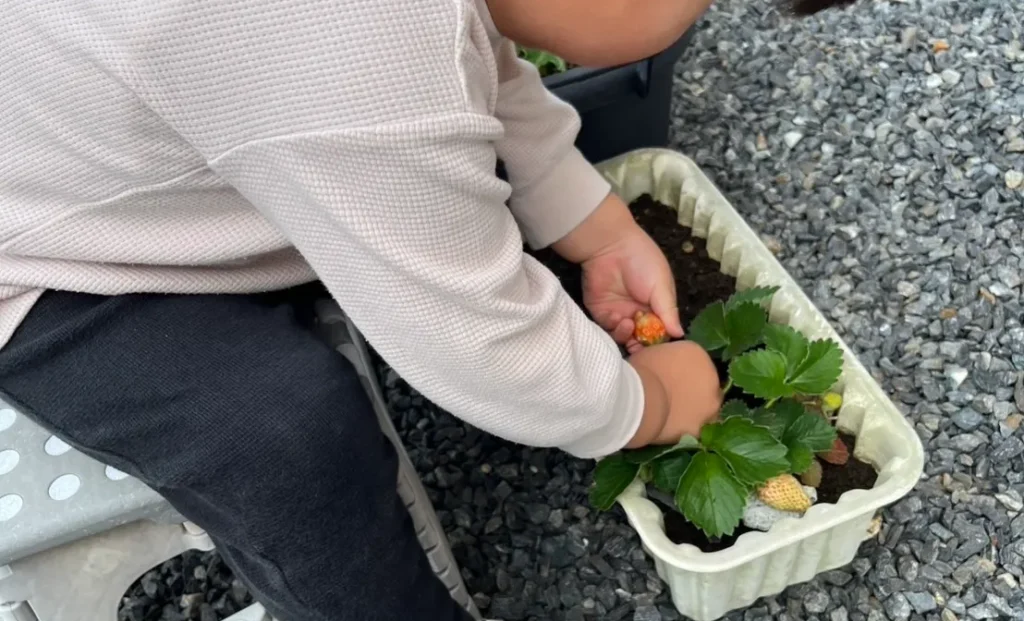
家庭菜園は、野菜を収穫するためだけのものではありません。
土や植物を観察し、季節の変化を感じる場所にもなります。
福岡正信さんの自然農法から考える「豊かさ」
自然農法の考え方を見ていると、「豊かさとは何だろう」と考えさせられます。
たくさん持つこと。
便利なものを増やすこと。
効率を上げること。
それだけが豊かさではありません。
身近にあるものを大切にする。
季節の変化を感じる。
必要以上に手を出さない。
自然の循環の中で暮らす。
こうした感覚も、豊かな暮らしの一つではないでしょうか。
まとめ|自然とともに暮らすということ
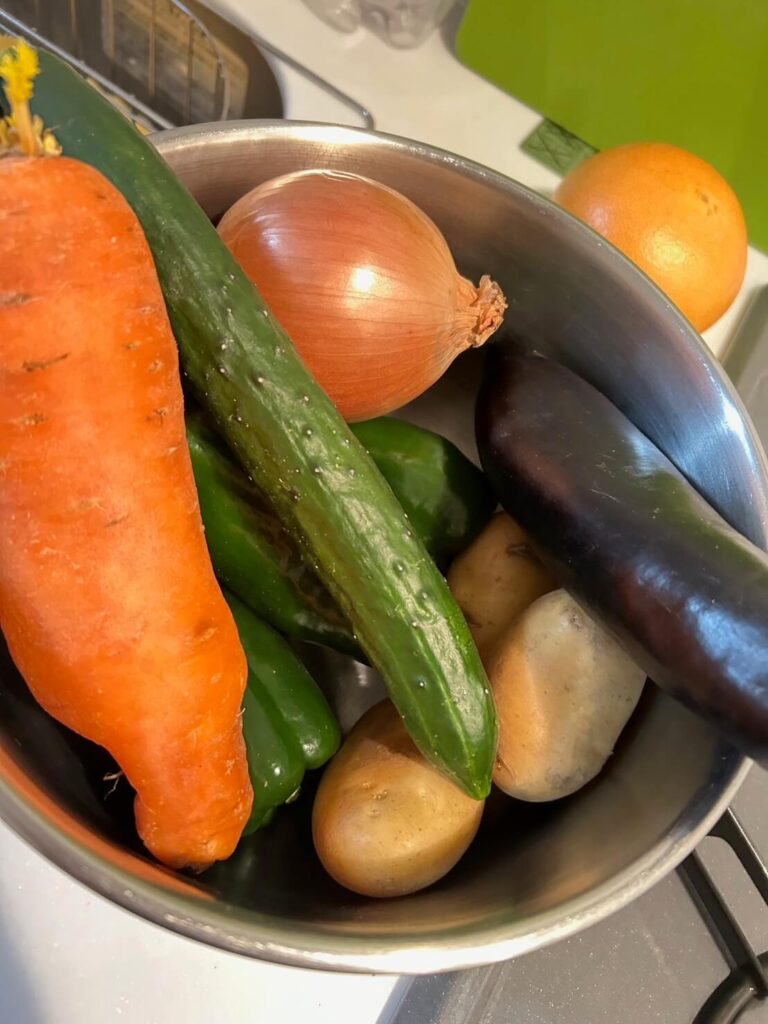
福岡正信さんの自然農法は、「何もしない」という言葉だけを見ると、とてもシンプルに感じます。
でも、その背景には、自然をよく観察し、人間の都合で必要以上に操作しないという考え方があります。
そして、「もったいない」という感覚や、自然の循環、「旬」を大切にする暮らしにもつながっています。
「何もしない」のではありません。
自然をよく見て、必要なことだけをする。
そして、自然が本来持っている力を信じる。
これは農業だけではなく、私たちの暮らしにも応用できる考え方かもしれません。
家庭菜園を始めると、野菜が育つスピードや季節の変化を、少しずつ身近に感じられるようになります。
スーパーで野菜を買うだけでは分からなかった「旬」も見えてきます。
そして、収穫した野菜を食べ、その残りを土に戻し、また次の野菜を育てる。
そんな小さな循環を、自分の暮らしの中につくってみる。
それだけでも、自然との関わり方は少し変わってくるでしょう。
自然農法が教えてくれるのは、効率よく自然を利用する方法だけではありません。
「自然とどう付き合っていくのか」という、もっと根本的な問いなのだと思います。